

NSF SpectrumX invites you to the next Radio Shop Chat, “The Untold History of ‘Harmful Interference’ in the Regulation of Radio Frequency Communications,” featuring Peter Tenhula on Wednesday, February 4 at 3 p.m. ET.
Registration is required and free.
Abstract
A key, universal concept used in the international and domestic regulation of radio frequency communications is “harmful interference.” While “interference” was a recognized concern from the earliest days of wireless telegraphy, it took several decades—until the late 1940s—for regulators to adopt a formal definition of “harmful interference.” This definition, modified slightly in the 1950s and 1970s, is still in place today. Harmful interference and related terminology are often criticized as cryptic, vague, amorphous, and ambiguous, resulting in excessive regulatory uncertainty and delays. The general frustration with the definition’s qualitative nature has led to demands for more quantitative approaches to assessing when interference is “harmful” and when it is not. In a recent article published in the Colorado Journal of Technology Law, Peter Tenhula (along with his co-author, Carl Frank) explores the previously untold history of these regulatory concepts and definitions. The presentation will provide an overview of the article and discuss two eras: During the first era (from the early 1900s to the 1940s), interference concepts were not specifically defined in any way. The second era (from 1947 through the 1980s) was the period in which regulatory definitions were developed within small groups of technical experts at international radio conferences without much attention or controversy. Domestic regulators in the U.S. implemented these definitions without much, if any, deliberation. This comprehensive study of the original context, usage, and definitions of these regulatory terms of art sheds new light on the modern-day critiques of the longstanding vocabulary.
Speaker Bio
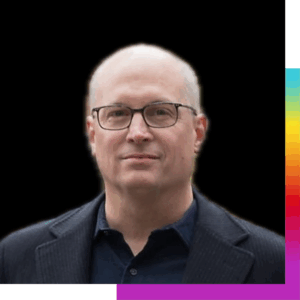 Peter Tenhula currently serves as the Senior Fellow of the Spectrum Policy Initiative at the University of Colorado Boulder’s Silicon Flatirons Center for Law, Technology & Entrepreneurship. Tenhula retired from federal government service in 2021, having worked for nearly 25 years at the National Telecommunications and Information Administration (NTIA) and at the Federal Communications Commission (FCC). From 2014 to April 2021, Tenhula served as Deputy Associate Administrator in NTIA’s Office of Spectrum Management (OSM). He also served as the Chair of the Interdepartment Radio Advisory Committee (IRAC). Prior to joining OSM, Tenhula was a Senior Advisor in NTIA’s Office of the Assistant Secretary. Before joining NTIA in 2012, Tenhula worked at Shared Spectrum Company (SSC), serving as the company’s vice president and general counsel. While at SSC, he was a member of the Board of Directors of the Wireless Innovation Forum and chaired its Regulatory Committee. From 1990 to 2006, Tenhula held several positions at the FCC, including Acting Deputy Chief of the Wireless Telecommunications Bureau, director and co-director of the Spectrum Policy Task Force, Senior Legal Advisor to FCC Chairman Michael Powell, Special Counsel to General Counsel William Kennard, and staff attorney in the Office of General Counsel and the Mass Media Bureau. He received his undergraduate degree in telecommunications from Indiana University, Bloomington, and earned a law degree from Washington University in St. Louis, Missouri.